AI, Cybersecurity & the Future of Finance: Rwanda’s Drive Toward a Resilient Digital Economy
Artificial Intelligence is no longer a futuristic concept in financial services — it is actively reshaping how banks operate, engage customers, detect fraud, and respond to cyber threats. Yet, as AI unlocks new opportunities for innovation and growth, it is simultaneously creating a new generation of cybersecurity risks that financial institutions can no longer afford to overlook.
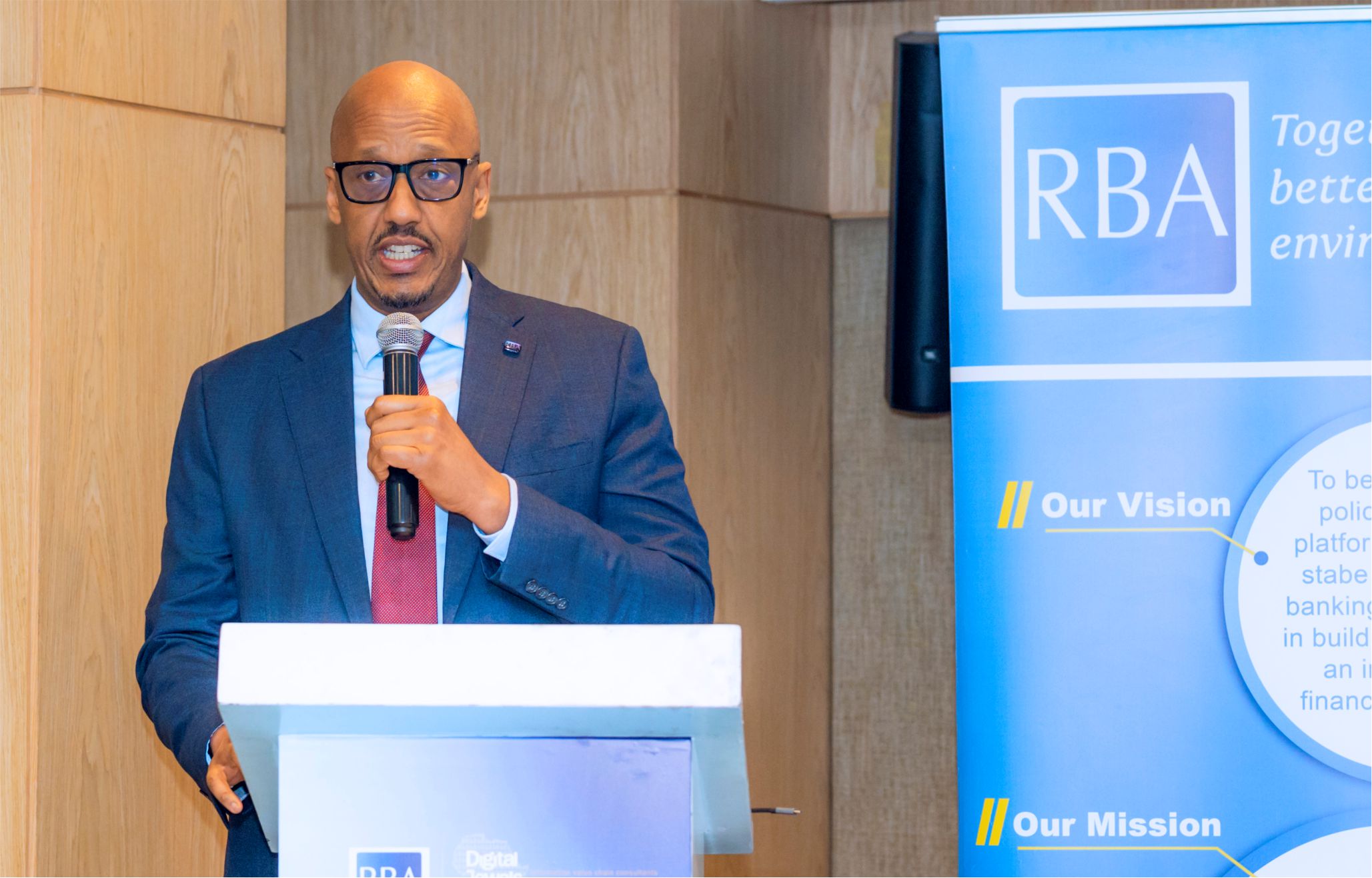
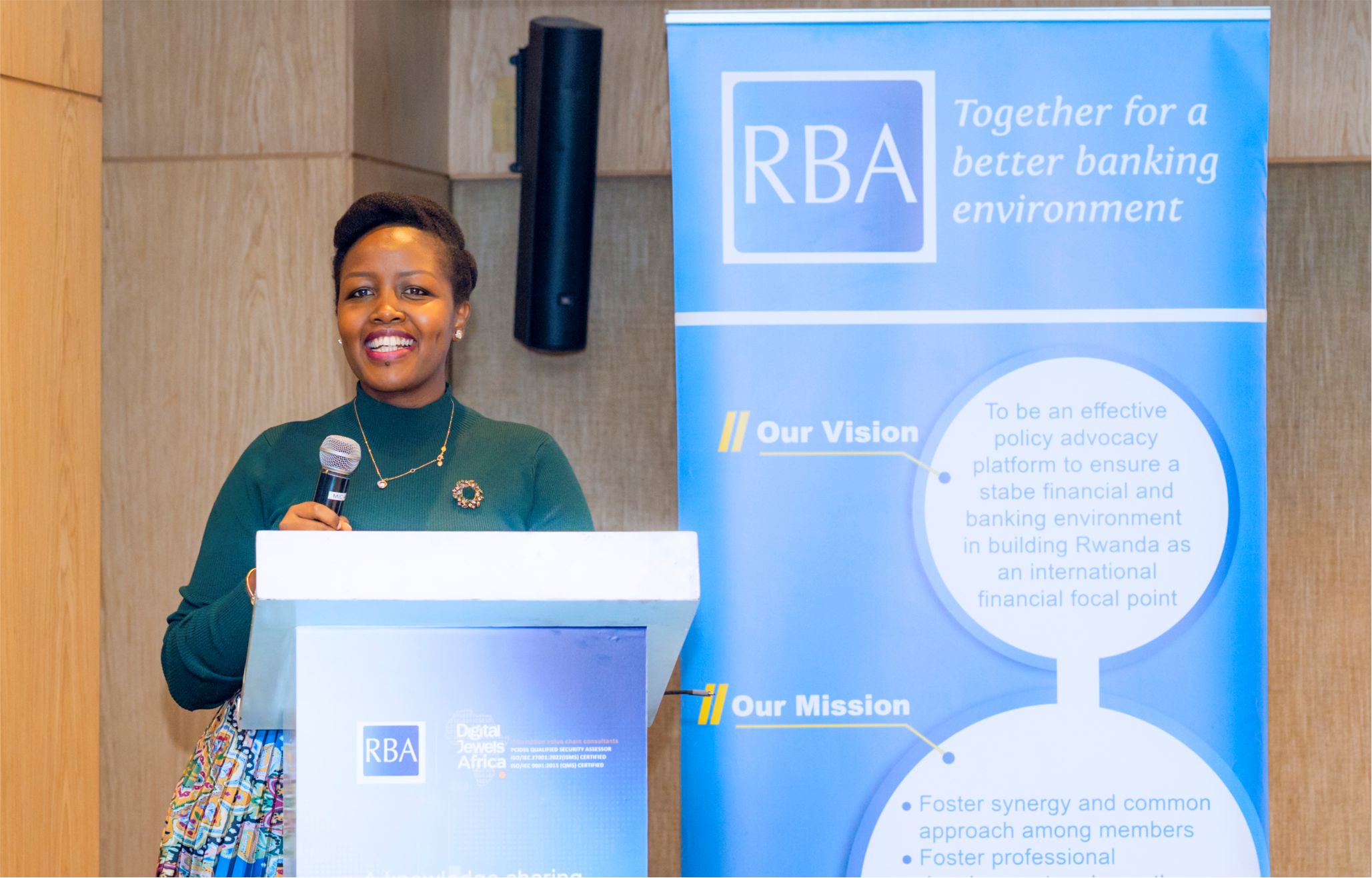
These critical conversations took center stage on March 19, 2026, during the Executive Forum on AI and Cybersecurity in Financial Services, jointly hosted by the Rwanda Bankers Association and Digital Jewels Africa in Kigali, Rwanda. Held at the Kigali Marriott Hotel, the event convened senior banking executives, policymakers, technology leaders, and cybersecurity experts to examine the growing intersection of AI, innovation, and cyber resilience within Africa’s financial sector.
From the opening session, one message resonated clearly throughout the forum: the future of financial services will depend not only on how quickly organizations adopt AI, but also on how responsibly and securely they implement it.
Delivering the keynote address, Paula Ingabire highlighted Rwanda’s remarkable digital transformation journey. She pointed to the country’s rising financial inclusion levels, rapid adoption of mobile payments, and strong cybersecurity posture as indicators of Rwanda’s commitment to building a modern digital economy.
At the same time, she challenged institutions to focus not only on progress, but on preparedness.
According to the Minister, AI is rapidly becoming the engine powering modern banking operations. Across Africa, financial institutions are increasingly deploying AI-powered tools for fraud detection, customer engagement, operational efficiency, and data-driven decision-making. However, the same technology strengthening institutions is also equipping cybercriminals with more sophisticated tools to launch faster, smarter, and increasingly convincing attacks.
Her message was clear: the question is no longer whether organizations will face AI-driven cyber threats, but whether they are prepared to respond effectively.
Another major theme that emerged during the forum was collaboration. Speakers emphasized that cybercriminals operate as highly coordinated networks, making it increasingly difficult for financial institutions to tackle cybersecurity challenges in isolation.
Participants stressed the need for stronger industry-wide cooperation through shared threat intelligence, joint investments in cybersecurity talent, and partnerships that strengthen resilience across the broader financial ecosystem. Discussions also highlighted the important role industry bodies such as the Rwanda Bankers Association can play in enabling continuous knowledge-sharing and coordinated action.
The forum’s context-setting presentation, delivered by Adedoyin Odunfa, explored what many participants described as the “double-edged” nature of Artificial Intelligence.
On one hand, AI is significantly transforming cybersecurity defenses. Organizations can now analyze vast amounts of data in real time, automate threat responses, strengthen fraud detection, and identify vulnerabilities faster than ever before. AI-powered systems are helping security teams shift from reactive security approaches to more predictive and proactive protection models.
On the other hand, AI is also rapidly reshaping the threat landscape.
Cybercriminals are increasingly leveraging AI to develop highly convincing phishing campaigns, automate malware creation, clone voices, and exploit vulnerabilities at unprecedented speed. The presentation highlighted how AI is lowering the barrier to entry for cybercrime, enabling even less sophisticated actors to execute attacks that once required nation-state-level capabilities.
This growing imbalance between rapid AI adoption and slower governance structures is creating what speakers described as a “trust gap.” As organizations embrace AI faster than policies, controls, and public understanding can evolve, concerns around accountability, transparency, data privacy, and ethical AI usage continue to intensify.
The discussions also reinforced the need for organizations to move beyond traditional cybersecurity thinking. Rather than focusing solely on preventing attacks, institutions must now prioritize cyber resilience — the ability to continue operating, adapt quickly, and recover effectively in the face of disruptions.
Speakers noted that resilience begins at the leadership level. Board oversight, executive accountability, continuous employee awareness, and a strong organizational culture were identified as essential foundations for sustainable cybersecurity.
Rwanda’s broader AI journey also received significant attention during the forum. The country was recognized for taking deliberate steps toward AI readiness through public-sector leadership, policy development, and strategic partnerships. Rwanda’s progress in developing national AI frameworks and promoting innovation across sectors such as healthcare, education, and finance positions it as one of Africa’s emerging leaders in digital transformation.
However, participants acknowledged that critical gaps remain, particularly in AI talent development, research capacity, and scaling private-sector innovation.
The panel session added practical industry perspectives, with leaders discussing how AI is already being applied across banking operations, customer experience, fraud management, and public digital services. Panelists also spoke candidly about the ongoing challenge of balancing innovation with governance and risk management.
One concern echoed strongly throughout the event was the shortage of specialized AI and cybersecurity skills across the continent. Speakers emphasized that building Africa’s digital future will require sustained investments in education, technical training, and cross-sector collaboration to develop the next generation of AI and cybersecurity professionals.
As the forum concluded, one idea stood above the rest: trust will define the future of AI adoption in financial services.
Technology alone cannot guarantee that trust. It must be supported by strong governance, ethical leadership, transparency, human oversight, and industry-wide collaboration.
For many executives in attendance, the forum served as both a wake-up call and a strategic roadmap. AI presents enormous opportunities for Africa’s financial sector, but realizing those opportunities safely will require institutions to act collectively, think strategically, and embed resilience into every layer of their digital transformation journey.
In an increasingly interconnected digital world, the institutions that succeed will not simply be the ones adopting AI the fastest, but the ones building systems people can trust.